Author: quadsdigi

  • From Ancient Lives to Modern Pot of Gold: The Evolution of Risk Systems

    For millennia, humanity has been fascinated by risk—the tantalizing dance with chance that promises either ruin or reward. This enduring relationship has evolved from primitive survival instincts to sophisticated digital architectures that power today’s entertainment experiences. Understanding this evolution reveals not just how we play, but why we’re drawn to systems that quantify and challenge our fortunes.

    The Eternal Gamble: Why Humans Have Always Measured Risk

    The First Wagers: From Survival Instincts to Structured Games of Chance

    Long before currency existed, early humans engaged in risk assessment as a matter of survival. The decision to hunt dangerous prey, migrate to unknown territories, or share limited resources all involved calculating potential outcomes against possible losses. Anthropological evidence suggests these primal risk-reward calculations formed the neurological foundation for modern gambling behaviors.

    The transition from survival-based risk to recreational risk occurred around 3000 BCE with the emergence of structured games. Six-sided dice discovered in Mesopotamian ruins show early attempts to standardize chance, while knucklebones (astragali) from ancient Greece demonstrate how common animal bones became tools for divination and entertainment.

    Ancient Systems: How Early Civilizations Codified Luck and Probability

    Ancient civilizations didn’t just play games of chance—they systematically documented and regulated them. The Chinese “Book of Songs” (1000 BCE) references rudimentary lottery systems, while Roman law specifically addressed gambling debts and restrictions. What’s remarkable is how these systems mirrored each other across isolated cultures:

    • Egyptian Senet (c. 3500 BCE): A board game that blended strategy with dice-based movement, often with religious significance about the journey through the afterlife
    • Roman Tesserae: Six-sided dice made from various materials, with specific rules for different numerical combinations
    • Chinese Keno slips: Early lottery systems used to fund state projects, including portions of the Great Wall

    The Psychological Bridge: Connecting Ancient Thrills to Modern Engagement

    The psychological mechanisms that made ancient gambling compelling remain unchanged in modern systems. Dr. Luke Clark, director of the Center for Gambling Research at UBC, identifies three core elements that transcend historical context:

    “Near-miss effects, the illusion of control, and variable ratio reinforcement schedules operate with the same potency whether you’re rolling ancient dice or clicking a digital spin button. Our brains haven’t evolved beyond these basic response patterns to uncertainty.”

    From Pyramids to Payouts: A Historical Timeline of Risk Mechanics

    The Age of Physical Chance: Dice, Astragali, and Wheel of Fortune

    For approximately 5,000 years, physical objects determined outcomes in risk systems. The materials and craftsmanship of these tools often reflected their cultural significance:

    Era Device Material Significance
    3000 BCE Mesopotamian Dice Baked Clay First standardized randomizers
    1000 BCE Greek Astragali Animal Ankles Divination tools repurposed for gaming
    Middle Ages Wheel of Fortune Wood & Metal Philosophical concept made physical

    The Paper Revolution: Lotteries, Tickets, and the Democratization of Risk

    The invention of paper and printing technologies transformed risk systems from elite pastimes to mass participation activities. The first recorded public lottery was established in 1444 in the Netherlands, while the 16th century saw Italian “Lotto” games that established the number-drawing format still used today.

    This democratization had profound social implications. Lotteries funded public works, universities, and even military campaigns. The 1776 Continental Congress lottery helped finance the American Revolution, demonstrating how risk systems could serve collective goals beyond individual entertainment.

    The Digital Leap: How Technology Transformed the Payout Structure

    The late 20th century introduced the most significant transformation since the invention of dice: digital technology. The 1994 Free Trade & Processing Zone Act in Antigua and Barbuda created the legal framework for online casinos, while advances in cryptography enabled secure financial transactions.

    Digital platforms eliminated physical constraints on payout structures. Progressive jackpots could now accumulate across thousands of simultaneous players, creating prize pools unimaginable in physical environments. This technological leap also introduced new concepts like return-to-player (RTP) percentages and volatility indexes—mathematical constructs that quantify risk in ways ancient gamblers could never have imagined.

    Deconstructing the Modern “Pot of Gold”: Anatomy of a Contemporary Risk System

    The Core Engine: Random Number Generators and Algorithmic Fairness

    At the heart of every digital risk system lies the Random Number Generator (RNG)—the digital equivalent of dice. Modern RNGs use complex mathematical algorithms, often based on atmospheric noise or quantum phenomena, to produce unpredictable sequences. Regulatory bodies like eCOGRA test and certify these systems to ensure true randomness rather than patterns that could be exploited.

    The concept of “algorithmic fairness” represents a significant evolution from physical systems. Where crooked dice could be weighted and card decks could be stacked, certified digital systems provide mathematically verifiable fairness—at least in terms of random distribution, if not overall player advantage.

    The Payout Ladder: Understanding Scaled Rewards and Jackpot Accumulation

    Modern risk systems employ sophisticated tiered reward structures designed to maintain engagement:

    • Frequent small wins (85-90% of outcomes): Maintain the perception of regular success
    • Medium payouts (8-12% of outcomes): Create memorable highlight moments
    • Rare jackpots (1-2% of outcomes): Generate aspiration and long-term engagement

    This structure represents a deliberate psychological design, balancing the frequency and magnitude of rewards to optimize what behavioral economists call “intermittent reinforcement”—the same principle that makes slot machines compelling.

    Safety Nets and Progress Guards: The Role of Auto-Save and Connection Protection

    A critical innovation in digital risk systems is the infrastructure that preserves player progress and investment. Unlike physical gambling where a spilled drink could ruin lottery tickets or disrupt a dice game, digital platforms employ automatic saving and connection safeguards.

    These technical features serve both practical and psychological functions. They eliminate the frustration of lost progress while reinforcing the perception of the platform as a reliable environment—a necessary foundation for sustained engagement with risk-based entertainment.

    Case Study: Le Pharaoh and the Reimagining of Ancient Risk

    Thematic Resonance: How a Raccoon Pharaoh Bridges Past and Present

    Modern risk systems often draw on historical themes to create emotional connections, and the le pharaoh concept exemplifies this approach. By reimagining ancient Egyptian symbolism through a contemporary lens (including the unexpected raccoon pharaoh character), it creates what game designers call “cognitive familiarity”—leveraging established cultural touchpoints while introducing novel elements.

  • Beste Casinos Unter Abzug Von Oasis 2025 Weniger Sperrdatei Spielen

    Bitcoin, Ethereum, Litecoin und alternative Kryptowährungen werden häufig als bevorzugte Trainingsmethode verwendet, um Cash in diesem Bereich einzureichen. Auch wenn sie keine Kryptowährung verwenden, können sie das Spiel trotzdem spielen. Sie können so viel zocken, wie Sie möchten, ohne Grenzen beziehungsweise komplizierte Geräte. Bei Online Casinos ohne OASIS kannst Du nach Herzenslust zocken, Boni abstauben sowie selbst entscheiden, wann Schluss ist. 🚫 Anbieter mit deutscher Lizenz sind allesamt dazu verpflichtet, gesperrte Spieler zu sperren. Du hast also auf dem deutschen Markt keine Chance, nur eine einzige Walze zu betätigen, wenn eine Selbst- oder Fremdsperre beroende ist.

    Oasis Sperrdatei: Alles Wichtige I Am Überblick

    Das Oasis-Sperrsystem schränkt den Zugang zu lizenzierten Casinos ein. Sobald ein Verbot aktiviert ist, gilt sera bundesweit, und alle lizenzierten Anbieter müssen den Zugang für gesperrte Spieler sperren. Diese Casinos feilbieten eine Vielzahl the Spielen und oft bessere Gewinnchancen, de uma die deutsche Glücksspielsteuer entfällt. Dennoch sollte man sich welcher Risiken bewusst sein, die mit seinem Spielen ohne perish Schutzmechanismen von PALMERAL verbunden sind. Es ist entscheidend, verantwortungsbewusst zu spielen und sicherzustellen, dass guy sich für irgendeinen seriösen Anbieter entscheidet.

    Optionen Für Oasis Sperren:

    Auf lange Sicht mindestens ebenso wichtig ist, dass dieser Kundenservice auf Deutsch kurze Reaktionszeiten hat. Gesperrte Spieler, egal ob durch Selbst- oder aber Fremdsperre, können wirklich nicht mehr in On the internet Casinos mit deutscher Lizenz spielen. Anbieter mit ausländischer Franchise punkten mit einem deutlich umfangreicheren Spielangebot, das neben gewöhnlichen Automaten auch Jackpot-Slots, Tischspiele und ein Live-Casino beinhaltet. Ohne OASIS gibt es weder ein Einsatzlimit des 1€ noch expire 5-Sekunden-Regel und natürlich auch keine Glücksspielsteuer. Mit dem Glücksspielstaatsvertrag 2021 wurde nie und nimmer nur eine regolare Basis für Online-Glücksspiel in Deutschland geschaffen.

    Wie Finde Ich Ein Seriöses Online-casino Ohne Oasis-sperre?

    • Es ist wichtig, perish Gebühren und Bearbeitungszeiten jeder Methode über prüfen, um perish beste Wahl für Ihre Bedürfnisse über treffen.
    • Seit der Einführung der deutschen Glücksspiellizenz im Sommer 2021 gibt es deutsche Anbieter nur noch immer in Form von sogenannten BEAUTY Casinos.
    • Aus diesem Grund solltest Du letztens hinterfragen, ob das Online Casino weniger Sperrdatei seriös ist auch.
    • Es ist also klar ersichtlich, wenn ein Casino unter abzug von Sperrdatei wesentlich vorteilhafter ist.

    Diese Online-Casinos werden häufig von ausländischen Glücksspielbehörden reguliert sowie überwacht, die strenge Standards und Kontrollen einhalten. Zu family room beliebten Optionen gehören auch Bitcoin Internet casinos, die zusätzliche Anonymität bieten. Mafia Casino bietet Spielern perish Freiheit außerhalb der deutschen Sperre sowie arbeitet mit 1er Lizenz aus Anjouan. Allerdings ist durch der fehlenden deutschen Lizenz Vorsicht geboten.

    Unser Fazit Zu On The Web Casinos Ohne Oasis

    Spieler sollten sicherstellen, dass dieses Casino von 1 anerkannten Behörde lizenziert ist. Theoretisch ist echt es möglich, expire OASIS-Sperrdatei zu umgehen, indem man einander bei einem On-line Casino ohne Palmeral anmeldet. Diese Casinos sind nicht an deutsche Vorschriften gebunden und bieten oft eine größere Abwechslung an Spielen darüber hinaus flexiblere Einsatzlimits. Die OASIS-Spielersperre ist ein zentrales Register, in dem Spieler aufgelistet werden, die gegenseitig selbst sperren lassen oder von Internet casinos als gefährdet eingestuft werden. Über den Sinn einer zentralen und damit bundesweit gültigen Sperrdatenbank wie OASIS lässt sich nicht streiten.

    Sicherheit In On The Internet Casinos

    Die Auswahl umfasst Spielautomaten, Scratch Cards, Jackpots, Roulette, Baccarat und mehr. Die Registrierung bringt einen 100 % Willkommensbonus bis zu five hundred €, 200 Freispiele und 1 Bonuskrabbe. Als Newcomer überzeugt das Casino mit wöchentlichen Cashback-Zahlungen. Einige Casinos, die weniger Verifizierung auszahlen, sind Goldspin, Vegasino, Prompt Casino und Naja Casino. Diese Plattformen bieten attraktive Excédent und Freispiele the, was sie für Spieler interessant macht. Es gibt eine Liste von Leading Casinos, die ohne die Oasis Sperrdatei spielen.

    Alternative Zahlungsmethoden Im Psc Online Casino Ohne Oasis

    Diese Casinos bieten Willkommensboni von mehreren tausend Euro mit flexibleren Umsatzbedingungen. Regelmäßige Reload-Boni und Cashback-Aktionen sind ebenfalls üblich. Unlizenzierte Casinos bieten keinen rechtlichen Schutz ebenso können Auszahlungen verweigern. Mehrere Glücksspielanbieter besitzen sich als zuverlässige Alternativen etabliert.

    Sicherheit Und Fairness

    Martha hat eine http://capospincasino.de/ besondere Leidenschaft für Slots und Roulette und teilt ihr umfangreiches Wissen sowie ihre Einblicke, um Spielern zu beistehen, die besten Online-Casinos zu finden. Ihr Engagement für verantwortungsbewusstes Spielen und ihre Liebe zum Detail machen sie zu einer unverzichtbaren Ressource in der World des Online-Glücksspiels. Im Sinne des Spielerschutzes findet man in Deutschland zahlreiche Anlaufstellen, perish dabei unterstützen, Suchtverhalten im Casino wieder in den Griff zu bekommen.

    Risiko Von Spielsucht

    Der Kunde kann eine Auszahlung beantragen, bevor er die Umsatzbedingungen für family room Bonus erfüllt cap. In diesem Drop werden sowohl das Bonusgeld als im übrigen die davon abgeleiteten Beträge aus seinem Guthaben des Spielers entfernt, und das verbleibende Guthaben steht zur Auszahlung zu der Verfügung. Die Freispiele müssen innerhalb vonseiten 24 Stunden je nach ihrer Gutschrift auf das Benutzerkonto aktiviert werden.

  • Les Systèmes de Surveillance Acoustique : Un Œil Invisible sur les Écosystèmes Aquatiques

    Dans un monde où la biodiversité aquatique est sous pression constante, la surveillance discrète des écosystèmes devient une arme stratégique. Les capteurs acoustiques sous-marins offrent une solution innovante : ils écoutent sans déranger, décryptant les comportements des poissons avec une précision inédite. Grâce à des hydrophones placés dans des zones clés, ces systèmes enregistrent les sons naturels — chants, signaux d’alarme, signaux de reproduction — permettant aux scientifiques de suivre les migrations, d’identifier les frayères sensibles, et d’anticiper les changements écologiques avant même qu’ils ne deviennent visibles. Cette écoute silencieuse, véritable « œil invisible », préserve l’équilibre naturel tout en fournissant des données fiables pour une gestion éclairée des ressources.

    • Les capteurs modernes, souvent autonomes et alimentés par énergie renouvelable, fonctionnent en continu, minimisant tout impact sur la faune. Leur placement stratégique évite toute perturbation comportementale.
    • Des études menées en Méditerranée et sur les fleuves français, comme le Rhône, montrent que cette surveillance acoustique a permis de détecter des déclins précoces de populations de poissons, facilitant ainsi des mesures de protection ciblées.
    • Les données recueillies alimentent des modèles prédictifs intégrant le climat, la température de l’eau et les flux hydriques, renforçant la capacité d’action des gestionnaires.

    « Plutôt que d’imposer un regard extérieur, ces technologies écoutent la vie elle-même, offrant une fenêtre ouverte sur un monde qu’on ne voyait jamais vraiment. » — Expert en écologie marine, Université de Bordeaux

    Retour à la table des matières

    Restauration Assistée par Intelligence Artificielle : Réinventer la Résilience des Habitats

    Modélisation Prédictive pour Anticiper l’Avenir des Écosystèmes Aquatiques

    Modélisation prédictive
    Grâce à des algorithmes d’intelligence artificielle, il devient possible d’anticiper les effets du changement climatique sur les populations de poissons. Ces modèles intègrent des décennies de données océanographiques, climatiques et comportementales, révélant des tendances invisibles à l’œil nu. Par exemple, en analysant les variations de température et de courants, l’IA prédit avec une précision croissante les périodes critiques pour la reproduction ou la migration des espèces clés.
    Optimisation des Aires Protégées
    Les données en temps réel permettent d’ajuster dynamiquement la localisation et la taille des réserves marines et fluviales. En intégrant les mouvements réels des poissons, les gestionnaires évitent les zones peu productives et renforcent celles où la biodiversité est la plus menacée. En France, ces outils ont déjà contribué à la création de zones protégées plus efficaces dans le Parc marin du Banc de Scandola ou le delta du Rhône.
    Synergie entre savoirs traditionnels et données numériques
    Il est essentiel que cette technologie ne s’impose pas comme un substitut, mais comme un allié. En France, des pêcheurs locaux collaborent avec des chercheurs pour enrichir les modèles, intégrant leur connaissance ancestrale des cycles saisonniers et des lieux de frai. Cette collaboration garantit que la gestion reste ancrée dans la réalité du terrain, tout en étant renforcée par la rigueur scientifique.

    Intégration des Savoirs Traditionnels et Numériques dans la Gestion Durable

    Une gestion inclusive pour une conservation durable
    Dans les régions côtières comme la Bretagne ou en Camargue, les traditions de pêche, transmises de génération en génération, sont désormais couplées à des systèmes numériques. Ces plateformes collaboratives relient scientifiques, pêcheurs, et autorités, favorisant une prise de décision partagée. L’IA analyse les données collectées sur le terrain, tandis que les observations des pêcheurs offrent un contrepoint humain et contextuel.

    « La technologie ne remplace pas la sagesse des anciens, elle amplifie leur voix en lui donnant la portée qu’elle mérite. » – Collectif de gestionnaires halieutiques français

    Retour à la table des matières

    Les Réseaux de Capteurs Connectés : Vers une Gestion Intelligente des Eaux Douces et Salées

    Micro-capteurs Autonomes pour une Surveillance Continue

    Déploiement de capteurs autonomes
    Des micro-capteurs légers, alimentés par énergie solaire ou thermique, sont aujourd’hui déployés dans les rivières, lacs, estuaires et zones côtières. Ces appareils mesurent en temps réel la qualité de l’eau, la température, la salinité, et même la présence de microplastiques, offrant un panorama précis et instantané des conditions écologiques.
    Réseaux collaboratifs pour une gouvernance partagée
    Ces capteurs ne fonctionnent pas isolés. Connectés via des réseaux sans fil, ils alimentent une plateforme unique utilisée par scientifiques, collectivités locales et décideurs. Cette mutualisation des données favorise une réponse rapide aux crises, comme les proliférations algales ou la pollution industrielle, tout en renforçant la transparence et la confiance entre acteurs.
    Coopération et coopérance pour la conservation
    En France, des projets comme le réseau « Eaux de France » regroupent pêcheurs, gestionnaires, et chercheurs autour d’une même plateforme. Les alertes en temps réel permettent des actions coordonnées, réduisant les conflits d’usage et favorisant une gestion équilibrée entre préservation et exploitation durable.

    « Un capteur qui parle, c’est un dialogue entre nature et technologie, entre tradition et innovation. »

    Retour à la table des matières

    Vers une Symbiose Technologique et Écologique : Les Enjeux Éthiques et Durables

    « La technologie doit rester au service de la nature, non la dominer. »

    Équilibre fragile entre innovation et respect écologique
    Si ces outils offrent des avancées remarquables, ils soulèvent aussi des questions éthiques fortes : qui contrôle les données ? Comment garantir qu’elles ne servent pas à justifier une exploitation accrue ? En France, des cadres réglementaires émergent pour encadrer la collecte, le partage, et l’usage des données environnementales, en mettant l’accent sur la transparence et la responsabilité.
  • Why DeFi, Hardware Wallets, and NFT Management on Solana Are Changing the Game

    So I was thinking about how many folks in the Solana ecosystem juggle DeFi protocols alongside their NFT collections—and then wonder how to keep it all safe, especially on hardware wallets. Seriously, it’s like trying to balance flaming torches while riding a unicycle. Wow! Managing SPL tokens isn’t just about owning assets anymore; it’s about seamless interaction, security, and intuitive control. But here’s the thing: a lot of wallets out there either nail one aspect or the other, rarely both.

    My instinct said, “There’s gotta be a better way,” especially since Solana’s blazing fast network can feel a bit overwhelming when you’re also trying to handle NFTs and DeFi positions. Plus, hardware wallet support? That’s a whole other beast. On one hand, hardware wallets offer unmatched security but on the other, they often make interfacing with DeFi clunky. Hmm… it’s a tricky dance.

    Initially, I thought that most wallets would just have basic support for these features, but then I realized something important: the real challenge lies in integrating them all without making the user experience a nightmare. To dig deeper, I’ve been diving into how different protocols handle this trifecta and what’s missing.

    Okay, so check this out—NFT management in particular tends to get the short end of the stick. Many wallets treat NFTs like afterthoughts, tacking on galleries that barely handle metadata or offer any real interaction beyond viewing. That bugs me, because NFTs are way more than pictures; they’re interactive assets, tickets, or even keys to exclusive experiences. You want your wallet to reflect that complexity.

    And when you throw DeFi protocols into the mix—staking, lending, yield farming on Solana—the stakes get even higher. You need a wallet that’s not just a passive vault but an active interface with these protocols. It’s about trust, speed, and flexibility. Something felt off about the usual solutions, so I kept poking around.

    Hardware wallet support is a must for anyone serious about security. But here’s a kicker: many wallets with hardware compatibility feel like they were designed before DeFi exploded on Solana, making the user flow a bit clunky. You’ll find yourself disconnecting and reconnecting devices, juggling multiple apps, or struggling with limited token support. There’s a certain friction that just doesn’t sit right when you want to move fast.

    On the flip side, some wallets prioritize slick interfaces at the cost of security, which frankly isn’t an option for managing valuable NFTs and SPL tokens. After all, if your private keys aren’t locked down, you might as well just leave your digital valuables on a coffee shop table. Wow, that’s scary to think about!

    So here’s where things get interesting: a handful of newer wallets are attempting to bridge this gap by combining robust hardware wallet integration with deep DeFi protocol support and rich NFT management features. That triple combo, though rare, is exactly what users need for a smooth Solana experience. And no, this isn’t just theory—I’ve tested a few.

    One wallet that really stood out to me was https://solflares.at. It’s not perfect—nothing is—but it strikes a balance I hadn’t seen before. It offers native hardware wallet support, making it easy to sign transactions securely without those annoying device juggling moments. Plus, its interface is tailored for quick access to DeFi protocols, letting you stake or swap tokens in just a few clicks.

    And oh, the NFT management! Instead of just showing a list, it offers interactive galleries and metadata details that make you feel like you’re actually owning something, not just a token on a ledger. Honestly, I was pleasantly surprised by how well it handled all these layers without feeling bloated or overwhelming.

    Now, I’m not saying it’s flawless—sometimes the UI can be a bit clunky when switching between protocols, and advanced users might want more customization options. But considering how fast Solana’s ecosystem is evolving, having a wallet that tries to keep up with both security and usability is very very important.

    Here’s something I want to throw in: the way a wallet handles private key security on hardware devices can make or break your entire DeFi and NFT game. Supporting multiple hardware wallets, like Ledger and Trezor, with a smooth connection experience is no small feat. It’s a technical challenge that often gets glossed over, but it’s foundational for trust.

    And that’s why I think wallets like the one at https://solflares.at deserve a closer look. They aren’t just shiny apps—they’re tools built with the messy reality of crypto users in mind. You can manage SPL tokens, dive into DeFi, and keep your NFTs safe—all under one roof.

    Screenshot showing NFT gallery and staking interface on Solflar wallet

    Check this out—having your NFT gallery right there next to your staking dashboard feels like having a real crypto HQ in your pocket. I was messing around with it the other day, moving some tokens between staking pools while eyeballing my NFT collection, and it just worked. No weird bugs, no disconnects.

    Of course, there’s always room to grow. I’d love to see better multi-chain features eventually, because Solana isn’t the only game in town. But focusing on the SPL token ecosystem first makes sense, and it keeps things tight. Honestly, trying to cover everything at once often leads to wallets that do nothing well.

    One more thing—wallets that combine hardware security with DeFi and NFT management help demystify crypto for many users. Instead of juggling multiple apps or stressing about private keys, people get a more natural experience. That lowers barriers and encourages more participation in DeFi, which is the whole point, right?

    Anyway, if you’re deep into Solana and want to try a wallet that really tries to bring it all together, give https://solflares.at a spin. It might not be perfect, but it’s the closest I’ve seen to that elusive “all-in-one” that’s actually usable.

    Trust me, when you’re handling valuable NFTs and staking tokens, you want that peace of mind. And hey, if you’re like me and sometimes get overwhelmed with too many apps and extensions, having a single wallet that supports your hardware device and all these features feels like a breath of fresh air.

    So yeah, the intersection of DeFi protocols, hardware wallets, and NFT management on Solana is still evolving, but wallets like these show the path forward. It’s not just about tech—it’s about empowering users to take control without the usual headaches. That’s the kind of progress I’m rooting for.

  • Why NFC Backup Cards Might Be the Best Thing to Happen to Crypto Security

    Whoa! This hit me the other day when I was juggling seed phrases and a coffee. My instinct said this was overdue; somethin’ felt off about writing 24 words on paper and calling it safe. Medium-length disclaimers aside, the user experience for cold storage hasn’t changed much in a decade, even though attackers became smarter and more automated. On one hand, hardware wallets are great—on the other, they create single points of human failure that are boringly predictable.

    Seriously? People still laminate written seeds and stash them in a drawer. That’s a tactic, sure. But it’s fragile in ways most guides skip: water, fire, social engineering, and the simple fact that humans forget where things are. Initially I thought a paper backup was fine, but then I realized the problem isn’t the paper—it’s the human process around it. Actually, wait—let me rephrase that: the process is the vulnerability, not just the medium.

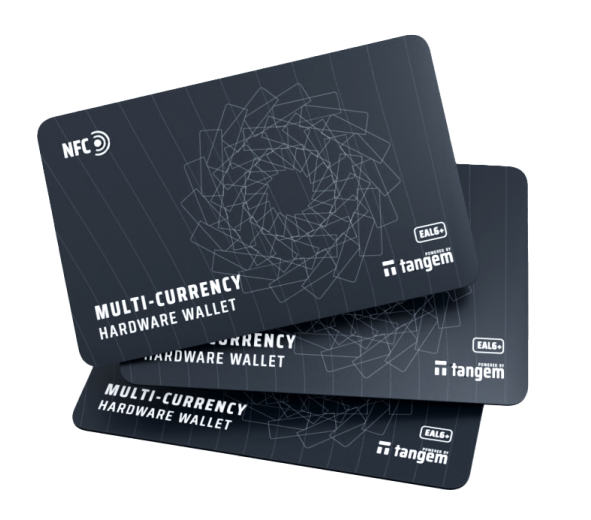
    Here’s the thing. NFC backup cards flip the script by making the backup a physical token that’s also digitally functional. Hmm… that sounds like marketing-speak, I know. But I dug into how NFC cards store keys and interact offline, and it changes how you think about possession versus knowledge. On the practical side, an NFC card can be tucked in a safe, carried in a wallet, or distributed across family members without revealing mnemonic words to a single person.

    Wow! The ergonomics are surprisingly good. Short, tactile interaction beats reading cold cryptic phrases under stress. You tap a card, you verify an address, you sign something—quietly, quickly, and sometimes without touching a phone keyboard. That reduces error rates; humans mess up less when the flow is simple. Also, it feels modern, like a tiny bit of sci-fi that actually works.

    Okay, so let’s get nerdy for a sec. NFC cards typically use secure elements to store private keys and require local cryptographic operations for signing, which means the key never leaves the card. Long sentence incoming now with subordinate clauses that explain the guarantee: because the secure element isolates private material and performs asymmetric cryptography internally, even an infected host device that talks to the card can’t steal the raw private key, only request signatures for specific messages or transactions. On the tradeoff side, card hardware limits some UX—like larger displays or touch verification—and that shapes the threat model in interesting ways. On one hand, you trade convenience for safety, though actually, with good design, convenience and safety can both improve.

    I’m biased, but I think the most underrated feature is backup distribution. You can make a handful of NFC cards and store them in different locations. My gut said “that’s too simple,” but then I started imagining multi-location redundancy for inheritance plans or business contingency. People think backup equals repetition, but actually, it can be a resilience strategy that avoids single-point failures. (Oh, and by the way… if you hide one card in a safe deposit box, don’t write a giant label that screams “crypto”.)

    Short interruption—Really?—you might ask about cloning or skimming. Good question. Medium answer: cloning a properly implemented secure-element card is extremely difficult because it requires extracting keys from tamper-resistant hardware, which is not trivial and often destructive. Longer technical note: NFC communications can be intercepted in theory, but practical attacks require proximity and specialized gear plus social engineering, and strong implementations use challenge-response and encrypted channels to mitigate replay or relay attacks. Still, threat models evolve, and you should assume an adversary with time and motivation.

    One practical caveat: compatibility. Not all wallets and card types play nice together. Initially I thought vendor lock-in was a minor hassle, but then a few compatibility tests showed wallet-specific quirks are real and annoying. So check your ecosystem before committing. If you want a single source of truth that is broadly supported, look for standards or devices with an active community of developers and auditors.

    Hand holding an NFC backup card next to a smartphone showing a crypto address

    How I’d practically use an NFC backup (and why you might too)

    Here’s a practical playbook that I find useful: generate a key on a hardware device, create one or more NFC-backed backups that hold either a private key or a recovery credential, test recovery with a throwaway wallet, and then store backups across different risk zones. I’m not 100% sure about your threat landscape, so adjust: for home users, a fireproof safe plus a trusted relative works; for small businesses, split backups across legal entities or trustees. For an introductory card I came across, check this tangem wallet for a concrete example that bundles secure element tech with simple NFC flows—it’s worth a look if you want something off the shelf.

    Something bugs me about guides that promise “set-and-forget” security. They underemphasize human factors: who knows the existence of the card, who can access it under duress, and who understands the recovery steps. Initially I assumed physical separation solves everything, but it only helps if everyone involved knows the plan without making it obvious to an attacker. This is where docs, training, and rehearsal matter—yes, rehearse a crypto recovery once.

    On operations: rotate backups periodically or after a significant event like an employee departure or a legal change. Short tip: label backups with innocuous codes rather than “crypto backup.” Longer thought: build a threat table mapping local risks (fire, theft) and non-local risks (legal coercion, nation-state interest) and decide whether an NFC card is the right balance for each vector. Not all assets require the same level of paranoia.

    Wow! One more angle—regulatory and estate planning. Many people skip legacy planning because it’s uncomfortable to think about death. But an NFC backup combined with a lawyer-trusted escrow can bridge the gap between privacy and accessibility. It’s low-tech to plan, but it scales into something robust for heirs. Honestly, that possibility is why I keep coming back to physical-backed digital keys: they’re tangible and shareable in well-defined ways.

    FAQ

    Are NFC backup cards safe from remote hacks?

    Short answer: mostly. NFC cards with secure elements keep private keys isolated, so remote compromise of your phone or PC doesn’t directly leak the key. Long answer: no device is invulnerable; best practice is to combine hardware-backed storage with good operational security—air-gapped tests, redundant backups, and minimal exposure of recovery steps.

    Can I clone an NFC backup card?

    In practice, cloning a well-designed secure element is extremely difficult and often requires destroying the original. Still, assume physical theft is possible; protect backups with layered defense like physical separation, innocuous labeling, and legal safeguards.

    What’s the biggest mistake people make with backups?

    Overconfidence. People create backups and forget to test recovery or to update plans as situations change. Also, oversharing recovery steps verbally or in insecure notes is a silent risk that bites later. Practice once, document minimally, and treat backups like a living process, not a memo you wrote once.

  • Why Trading Volume, Price Alerts, and Pair Analysis Decide Your DeFi Wins

    Whoa!

    Trading volume tells you who’s actually in the trade and why.

    My instinct said ignore tiny liquidity pools, but experience made me cautious.

    Initially I thought volume was just noise, but then I tracked it across dozens of launches and patterns emerged.

    On one hand volume spikes can mean organic interest; on the other hand they sometimes mask wash trading, rug pulls, or coordinated buys that collapse once early sellers cash out.

    Really?

    Price alerts are the crude earbuds of a trader’s toolbox — they keep you in the loop without living on the charts.

    They save you time, especially when you have five positions across chains and life keeps happening (work, kids, errands, you know).

    Actually, wait—let me rephrase that: alerts are only useful if they’re tuned to signals that matter to your strategy.

    Some alerts trigger too often and train you to ignore them, which is very very costly when a real breakout happens.

    Wow!

    Trading pairs analysis is where most people trip up by treating tickers as equals.

    To be blunt, a token/ETH pair behaves differently than the same token paired to stablecoins, and that impacts slippage and exit strategies.

    My first trades taught me that slippage on token/ETH pairs during volatile moves can eat gains faster than fees ever did.

    So when I see volume concentrated on a particular pair while other pairs stay dead, alarm bells ring and curiosity spikes — somethin’ feels off sometimes, and I dig deeper.

    Here’s the thing.

    Volume without context is like traffic data with no map; it tells you flow but not destination.

    Look at on-chain sources, orderbooks (where applicable), and DEX liquidity depth before you assume a spike is clean.

    Initially I relied purely on on-chain volume, but then realized exchange-level reporting and tokenomics distortions change interpretations.

    Volume coming from thin liquidity pools can be misleading because a single whale can create a fake signal that looks marketwide when it’s not.

    Hmm…

    Price alerts should be calibrated to volatility regimes, not fixed percentages.

    A 5% alert on a low-liquidity memecoin is noise and a 1% alert on a blue-chip token is often missed opportunity.

    On one hand you want early signals to act; though actually, too many false positives kill discipline and focus.

    So I built a tiered alert system over time that adjusts thresholds based on realized volatility and liquidity depth, and that change improved my hit rate noticeably.

    Whoa!

    Pair analysis starts with liquidity depth, not just market cap or hype.

    Measure token depth in base units and against expected trade sizes — not against some arbitrary dollar figure that looks pretty on a dashboard.

    When I analyze pairs, I simulate exits and entries with expected slippage and gas; the math often kills false optimism before I press buy.

    There are tokens that moon on token/BTC pairs but not on token/USDC pairs because arbitrage flows prefer one route over another, and that impacts where you route your trades.

    Really?

    Alerts can combine volume thresholds with price and on-chain behavioral signals for better quality.

    For example, an alert that fires only when volume exceeds 3x median AND open interest rises is much cleaner than a plain price alert.

    Initially I thought simpler alerts would be easier to manage, but layered alerts made my responses faster and more accurate, though setting them took some experimentation.

    Also — and this bugs me — many platforms ignore cross-pair flow, which is critical when liquidity migrates between pairs in the same token.

    Wow!

    Look, trading volume has patterns.

    Time-of-day effects, regional concentration, and social-driven surges each leave distinct footprints that you can learn to read.

    On weekends you often see softer liquidity on centralized venues and bigger swings on DEXes, while launches tied to certain communities spike predictably after known meetup times and tweets.

    Once I mapped these rhythms I could time entries with smaller slippage and more conviction, although sometimes noise still blindsided me and I learned to accept that uncertainty.

    Here’s the thing.

    When you compare pairs, pay attention to routing complexity.

    Routing through multiple pools increases failure and slippage risk, especially during sudden moves.

    So instead of treating every pair as tradable at list price, model routes, simulate worst-case fills, and factor in gas and failed tx penalties — those modeled losses change decisions more than optimistic expected gains.

    I’ve walked away from trades that looked great on headline price but terrible in execution realism more times than I’d like to admit.

    Hmm…

    One naive trap is trusting a single data source for alerts.

    Diversify data inputs—on-chain feeds, DEX aggregators, and social sentiment help triangulate real interest versus manufactured noise.

    On one hand aggregators smooth out weird spikes; on the other hand they can average away early but valid signals, so you need both granularity and aggregate views.

    That balance is messy, and honestly I’m still tweaking mine, because market microstructure evolves and past settings degrade over time.

    Whoa!

    Beware of wash trading and synthetic volume inflation.

    Some projects pump apparent liquidity via self-trades or coordinated swaps that make charts look alive while real depth remains absent.

    Initially the charts fooled me until I dug into flow addresses and saw the same wallets moving funds in circles; after that I built filters to ignore recycled volume and transient spikes.

    That kind of forensic work isn’t glamorous, but it saves you from buying into fragile pumps that pop the moment real selling begins.

    Really?

    Use alerts for both risk management and opportunity capture.

    Set stop-loss and liquidation alerts besides entry alerts so you can react before slippage widens or liquidity evaporates.

    On one trade I received a pre-liquidation alert and managed to exit with far less slippage than if I’d waited until the chart screamed — that small lead time is worth the setup.

    I’m biased, but disciplined alerts keep you from emotional firefights that ruin positions.

    Wow!

    Cross-pair arbitrage signals can be subtle yet profitable when executed well.

    Spotting a token that trades richer on one pair versus another often reveals arbitrage that can be captured with quick routing and low gas windows.

    However, coordination, speed, and smart contract risks complicate things; sometimes the theoretical arbitrage fails because of front-running, failed slippage, or miner behavior, so plan for failure modes.

    I’ve seen sequences where the math looked clean but the execution chain fell apart — trust but verify, always.

    Here’s the thing.

    Tools matter, but so does how you use them.

    Simple dashboards that show volume heatmaps, paired liquidity, and alert histories help you make faster, less emotional calls.

    For daily use, I rely on one aggregator for quick scans and a more forensic toolset for deep dives, and that combo cuts down noise while preserving edge.

    If you want a place to start checking live pair dynamics and setting sensible alerts, try the dexscreener official platform for quick scanning and pair context — it’s practical and straightforward for active traders.

    Chart showing volume spikes across different trading pairs with annotations highlighting slippage risks

    Practical Checklist for Traders

    Really?

    Here are actionable steps you can apply tonight.

    1) Check liquidity depth on the pair you plan to trade and simulate slippage for realistic trade sizes.

    2) Combine volume triggers with volatility filters so alerts are meaningful.

    Whoa!

    3) Cross-reference spikes across all common pairs for the token before acting.

    4) Set stop-loss alerts and pre-liquidation notices separate from entry alerts.

    5) Watch for recycled volumes by tracking repeat addresses and circular flows.

    6) Use a tiered alert approach where thresholds adjust based on realized volatility and liquidity changes.

    FAQ: Quick Answers Traders Ask

    How do I tell real volume from fake volume?

    Look for diversity in wallet sources and persistence over time; fake volume often shows repeated addresses moving funds in loops, while real volume comes from many distinct wallets across pairs and chains.

    What alert settings work best?

    Use layered alerts: combine volume multiples (e.g., 3x median), price move thresholds that adapt to volatility, and liquidity depth minimums so alerts don’t trigger on thin-pool noise.

    Should I prefer stablecoin pairs or native-token pairs?

    Both have tradeoffs: stablecoin pairs offer clearer USD reference and often lower slippage, while native-token pairs can lead price action and offer arbitrage paths; analyze both before sizing positions.

  • Come il passato dei samurai ispira i giochi moderni come Bullets And Bounty

    1. Introduzione: Il fascino del passato dei samurai nella cultura moderna italiana

    Il mondo dei videogiochi e dei media moderni trova spesso ispirazione in figure storiche e culturali che attraversano i secoli, e i samurai rappresentano uno di questi simboli universali di onore, disciplina e tradizione. La loro eredità storica, originata dal Giappone feudale, si è diffusa globalmente, influenzando non solo la cultura popolare, ma anche le rappresentazioni artistiche e narrative nei media digitali.

    In Italia, la percezione dei samurai si distingue per un mix di romanticismo e rispetto storico. La figura del samurai viene spesso idealizzata come esempio di integrità morale, spesso paragonata ai valori più elevati di lealtà e giustizia, che trovano riscontro anche nel nostro contesto culturale.

    L’obiettivo di questo articolo è esplorare come questa eredità si traduca nelle rappresentazioni moderne, in particolare nei videogiochi, e come questi veicolino valori e simbolismi appartenenti alla cultura dei samurai, mantenendo vivo il loro mito anche nel mondo digitale.

    2. I principi e i valori dei samurai e la loro influenza sui media contemporanei

    a. Bushido: il codice d’onore e la sua rappresentazione nei videogiochi

    Il Bushido, il codice d’onore dei samurai, costituisce il cuore della loro identità etica e morale. Questo insieme di principi, che include lealtà, coraggio, onestà e rispetto per la vita, viene frequentemente trasposto nei videogiochi come elemento narrativo e di gameplay. Nei titoli moderni, i personaggi samurai sono spesso rappresentati come esempi di integrità, che devono affrontare dilemmi morali e scelte etiche, riflettendo così il rispetto per il codice tradizionale.

    b. La disciplina e l’etica come elementi narrativi in giochi e serie TV

    Oltre al Bushido, la disciplina e l’etica sono temi ricorrenti nelle narrazioni digitali, dove i protagonisti si confrontano con le sfide del mantenimento della loro integrità. Questo si traduce in personaggi che agiscono secondo valori profondi, spesso in ambientazioni che variano dal Giappone storico a scenari futuristici o western.

    c. Esempi di valori samurai trasposti in contesti moderni

    • Giustizia: lotta contro il crimine e la corruzione, come nei giochi di ruolo e action contemporanei.
    • Lealtà: fedeltà ai compagni, alle cause o ai ideali, spesso rappresentata nei giochi di squadra e nelle missioni cooperative.
    • Onore: rispetto delle regole e delle convenzioni morali, che si riflette in scelte di gioco che privilegiano l’etica rispetto alla mera vittoria.

    3. La rappresentazione visiva e narrativa dei samurai nei media digitali

    a. Stile estetico e simbolismi: come vengono resi visivamente i samurai nei giochi

    La resa visiva dei samurai nei videogiochi combina elementi tradizionali, come le armature ornate e le katane, con stili moderni e futuristici. I simbolismi come il kimono, il mantello o i tatuaggi rappresentano l’identità e l’onore del personaggio, mentre i colori e le ambientazioni richiamano spesso il Giappone storico o ambientazioni mitiche. La cura nei dettagli contribuisce a creare ambienti credibili e coinvolgenti.

    b. Narrazione e ambientazioni: dal Giappone feudale alle ambientazioni futuristiche e western

    Le storie dei samurai si sono evolute adattandosi a diversi generi e ambientazioni. Dal tipico Giappone feudale ricco di castelli e templi, si passa a ambientazioni futuristiche, come in alcuni giochi di ruolo cyberpunk, o a scenari western, dove il samurai si fonde con il cowboy. Questa versatilità permette di esplorare il valore universale della figura del guerriero etico in contesti diversi.

    c. L’importanza del rispetto storico e delle tradizioni nella creazione di ambienti credibili

    Rispettare le tradizioni storiche, anche nelle interpretazioni più innovative, aiuta a mantenere la credibilità e il rispetto per la cultura giapponese. La ricerca storica e l’attenzione ai dettagli, come le armature, le armi e le ambientazioni, sono fondamentali per creare un’esperienza immersiva e autentica, che valorizza l’eredità culturale dei samurai.

    4. Esempi di giochi moderni ispirati ai samurai e alle loro tradizioni

    a. Ghost of Tsushima: duelli all’alba e la fedeltà storica

    Uno degli esempi più riusciti di rappresentazione dei samurai nel videogioco recente è Ghost of Tsushima. Il titolo si distingue per la sua fedeltà storica e per la cura nei dettagli delle battaglie, delle armature e delle ambientazioni che richiamano il Giappone del XIII secolo. La narrazione si concentra sulla lotta per la libertà dell’isola di Tsushima, riflettendo i valori di lealtà e coraggio dei samurai.

    b. Dishonored: il sistema di taglie e l’approccio etico alle missioni

    In Dishonored, il sistema di taglie e la possibilità di scegliere tra azioni etiche o meno rappresentano un’interpretazione moderna dei principi morali dei guerrieri. Il gioco permette di esplorare il confine tra giustizia e vendetta, riflettendo il dilemma morale presente nella figura del samurai che deve spesso scegliere tra onore e necessità.

    c. Bullets And Bounty: come il passato dei samurai ispira la meccanica di gioco e la narrazione

    Un esempio emblematico di come si possa integrare il passato dei samurai nel game design è ripresa round interrotto. In questo titolo, la meccanica di gioco si ispira a principi come il rispetto, la precisione e l’onore, mentre la narrazione si articola attorno a storie di vendetta e redenzione, tipiche della tradizione giapponese. La fusione tra elementi storici e dinamiche moderne rende questo gioco un esempio di come il passato possa essere reinterpretato in chiave contemporanea.

    d. Confronto tra questi giochi e la cultura italiana: cosa condividono e cosa differiscono

    Aspetti Giochi e tradizioni Similitudini Differenze
    Valori morali Lealtà, onore, disciplina Entrambe le culture valorizzano la fedeltà e il rispetto Il contesto storico e simbolico differisce, con forte radicamento nelle tradizioni italiane
    Ambientazioni Giappone feudale, futuristico, western Flessibilità narrativa e ambientale Origine culturale diversa, con specificità proprie di ciascuna tradizione
    Stile estetico Armature tradizionali, simbolismi, ambientazioni storiche Attenzione ai dettagli e rispetto delle tradizioni Interpretazioni più libere e creative in contesti occidentali

    5. L’influenza della cultura occidentale e italiana sui temi dei samurai nei videogiochi

    a. L’adattamento di elementi storici giapponesi in un contesto globale

    La globalizzazione ha portato alla diffusione di immagini e simboli dei samurai in tutto il mondo, adattandoli a scenari diversi dai contesti storici originari. Nei giochi occidentali, come quelli sviluppati in Italia o negli Stati Uniti, gli elementi tradizionali vengono reinterpretati per creare ambienti più accessibili e riconoscibili a un pubblico globale.

    b. La reinterpretazione attraverso il filtro della cultura occidentale e italiana

    Le culture occidentali, tra cui quella italiana, spesso rielaborano il mito dei samurai inserendolo in narrazioni che riflettono i propri valori e sensibilità. Questo processo di reinterpretazione permette di creare personaggi più complessi e storie più vicine alle esperienze locali, senza perdere di vista l’essenza del codice d’onore.

    c. Come i giochi riflettono valori universali e specificità culturali

    Se da un lato i videogiochi trasmettono valori universali come il rispetto, la giustizia e il sacrificio, dall’altro incorporano elementi culturali specifici, come le tradizioni giapponesi o italiane, contribuendo così a un dialogo interculturale che arricchisce entrambi i mondi.

    6. Il ruolo delle serie TV e dei media pop nel mantenere vivo il mito dei samurai in Italia

    a. L’effetto di serie come “The Mandalorian” e altri esempi di Western spaziale e fantasy

    Serie di successo come The Mandalorian hanno contribuito a diffondere l’immaginario del guerriero etico in contesti non giapponesi, creando un ponte tra il mito dei samurai e le figure di eroi occidentali o futuristici. Questi media rafforzano l’idea di un combattente che agisce secondo principi morali elevati, anche in ambientazioni lontane dal Giappone.

    b. La trasmissione di valori e immagini dei samurai attraverso media non giapponesi

    Attraverso film, serie e videogiochi, vengono trasmesse immagini di samurai e guerrieri che incarnano valori universali, contribuendo a mantenere vivo il loro mito anche in Italia. La rappresentazione di queste figure come modelli di integrità e coraggio aiuta a rafforzare il loro ruolo come simboli di virtù.

    c. La crescente domanda di contenuti che uniscono tradizione e innovazione

    In Italia si nota una crescente attenzione verso contenuti che uniscono elementi tradizionali con innovazioni narrative e tecnologiche. La richiesta di storie che rispettino le radici culturali, pur offrendo un’esperienza moderna, favorisce la diffusione di rappresentazioni dei samurai che sono sia fedeli sia innovative.

    7. L’approccio culturale italiano: tra rispetto e reinterpretazione

    a. Come gli italiani percepiscono e reinterpretano la figura del samurai

    In Italia, il samurai viene spesso visto come un modello di integrità e disciplina, ma anche come un simbolo di mistero e romanticismo. Questa percezione invita a reinterpretare il mito attraverso prospettive che valorizzino la nostra cultura, adattando i valori universali alle sensibilità locali.

    b. La presenza di simbolismi e riferimenti culturali italiani nei giochi moderni

    Anche se meno frequenti, alcuni giochi e media italiani inseriscono simbolismi che richiamano la nostra tradizione culturale, creando un ponte tra l’Oriente e l’Occidente. Questi riferimenti aiutano a rendere più autentica e vic

  • Turbo-Modus bei modernen Spielen: Schnelleres Erlebnis mit Le Pharaoh

    In der heutigen Gaming-Landschaft gewinnt der Turbo-Modus zunehmend an Bedeutung. Immer mehr Entwickler integrieren Speed-Features, um das Spielerlebnis dynamischer und intensiver zu gestalten. Dabei geht es nicht nur um reine Beschleunigung, sondern um eine bewusste Gestaltung, die das Spiel spannender macht, ohne die Qualität zu beeinträchtigen. Dieser Artikel erklärt die technischen Hintergründe, gestalterischen Überlegungen und praktische Beispiele, die das Phänomen des Turbo-Modus beleuchten.

    Grundlagen des Turbo-Modus: Technische und spielerische Perspektiven

    Funktionsweise des Turbo-Modus: Was passiert im Hintergrund?

    Der Turbo-Modus arbeitet auf technischer Ebene, indem er die Geschwindigkeit der Spielmechanik erhöht. Bei Spielautomaten oder Videospielen bedeutet dies z.B., dass Drehungen, Animationen oder Aktionen im Bruchteil der Zeit ablaufen, die sonst üblich ist. Dieser Prozess wird durch Optimierungen in der Code-Ausführung, kürzere Wartezeiten und manchmal durch spezielle Schaltflächen gesteuert, die den Spielablauf beschleunigen. Ziel ist es, das Spieltempo zu erhöhen, ohne dass die Spielqualität darunter leidet.

    Einfluss auf das Gameplay: Schnelleres Erleben ohne Qualitätseinbußen

    Durch den Einsatz des Turbo-Modus können Spieler ihre Runden deutlich schneller absolvieren. Das erhöht die Spannung und ermöglicht eine effizientere Nutzung von Spielzeit. Dabei bleibt die visuelle und akustische Qualität erhalten, sodass das Erlebnis nicht zu einer simplen Beschleunigung verkommt, sondern vielmehr dynamischer wirkt. Beispielsweise bei Slot-Spielen wie „Le Pharaoh“ führt dies zu einer erhöhten Spielgeschwindigkeit, die das Nervenkostüm herausfordert, aber das Eintauchen in die Welt des Spiels verstärkt.

    Psychologische Effekte: Geschwindigkeit und Spielerlebnis

    Geschwindigkeit beeinflusst maßgeblich die Wahrnehmung von Spannung und Erfolg. Ein schnelleres Spielgefühl kann das Adrenalin steigern und das Gefühl von Kontrolle verstärken. Allerdings besteht auch die Gefahr der Überforderung, weshalb eine ausgewogene Gestaltung essentiell ist. Studien zeigen, dass Spieler bei kontrollierter Beschleunigung ihre Spielfreude und Konzentration aufrechterhalten können, während unkontrollierte Geschwindigkeit zu Frustration führt.

    Gestaltung des Turbo-Modus: Balance zwischen Geschwindigkeit und Spielqualität

    Technische Herausforderungen bei der Implementierung

    Die technische Umsetzung eines Turbo-Modus erfordert eine präzise Optimierung der Spiel-Engine. Entwickler müssen sicherstellen, dass die Beschleunigung keine Fehler, Ruckler oder Abstürze verursacht. Außerdem ist es notwendig, die Synchronisation zwischen visuellen Effekten und der zugrundeliegenden Logik zu gewährleisten. Moderne Spiele nutzen dafür adaptive Algorithmen, die die Geschwindigkeit dynamisch an die Hardwareleistung anpassen.

    Nutzerfreundlichkeit: Optionen für individuelle Geschwindigkeitseinstellungen

    Ein entscheidendes Gestaltungskriterium ist die individuelle Anpassbarkeit. Spieler sollten die Möglichkeit haben, den Turbo-Modus nach ihren Vorlieben zu aktivieren oder zu deaktivieren, sowie die Geschwindigkeit in Stufen zu regulieren. Diese Flexibilität fördert die Nutzerzufriedenheit und ermöglicht es, das Spiel an die eigenen Fähigkeiten und das Spielumfeld anzupassen.

    Vermeidung von Überforderung: Wahrung des Spielspaßes trotz Beschleunigung

    Wichtig ist, dass die Beschleunigung den Spielspaß nicht mindert. Entwickler setzen daher auf Mechanismen wie Pausen, Warnhinweise oder begrenzte Turbo-Zeiten. So bleibt die Kontrolle beim Spieler und die Freude am Spiel erhalten, selbst bei hoher Geschwindigkeit.

    Modernes Beispiel: Le Pharaoh und der Turbo-Modus

    Einführung in das Spiel „Le Pharaoh“ und seine Besonderheiten

    „Le Pharaoh“ ist ein moderner Slot, der durch seine ägyptische Thematik und innovative Spielmechaniken begeistert. Das Spiel zeichnet sich durch eine hohe Dynamik aus, die durch verschiedene Features wie Freispiele, Multiplikatoren und spezielle Symbole unterstützt wird. Es richtet sich an Spieler, die schnelle, spannende Runden schätzen und dabei Wert auf Qualität legen.

    Integration des Turbo-Modus: Vorteile für den Spieler

    Der Turbo-Modus bei „Le Pharaoh“ ermöglicht es, Spielrunden in einem Bruchteil der Zeit abzuschließen, was vor allem für erfahrene Spieler attraktiv ist. Sie können mehrere Spins hintereinander durchführen, Bonus-Features schneller auslösen und so die Spannung aufrecht erhalten. Die Integration ist so gestaltet, dass die visuelle Qualität erhalten bleibt und keine visuellen Ruckler auftreten, was den Spielfluss verbessert.

    Vergleich zu klassischen Slots: Geschwindigkeit und Dynamik

    Im Vergleich zu traditionellen Slot-Spielen, die oft lange Wartezeiten zwischen den Spins haben, bietet der Turbo-Modus eine deutlich gesteigerte Dynamik. Das Spielgefühl wird intensiver, der Spielfluss flüssiger. Dabei bleibt die Qualität der Grafiken und Sounds erhalten, was die Attraktivität des Spiels erhöht.

    Innovative Spielmechaniken im Kontext des Turbo-Modus

    Lost Treasures: Einzigartige 3-Leben-Systeme und deren Auswirkungen auf das Tempo

    In einigen Spielen, wie beispielsweise „Lost Treasures“, wird der Turbo-Modus genutzt, um das Tempo bei mehreren Leben oder Versuchen zu erhöhen. Das 3-Leben-System sorgt dafür, dass Spieler mehrere Chancen haben, das Spiel zu meistern, während die Beschleunigung die Spannung steigert. Die schnelle Abfolge der Versuche trägt dazu bei, das Spiel spannender und intensiver zu gestalten.

    Bonus Buy Feature: Schneller Zugang zu Bonus-Runden und seine Bedeutung

    Das Bonus Buy Feature erlaubt es, direkt in Bonus-Runden einzusteigen, ohne die regulären Spins abzuwarten. Im Turbo-Modus beschleunigt sich dieser Vorgang erheblich, was für Spieler, die auf schnelle Gewinne hoffen, attraktiv ist. Es erhöht die Flexibilität und ermöglicht ein gezieltes Erlebnis, bei dem Geschwindigkeit eine zentrale Rolle spielt.

    Pot of Gold: Sammeln von Coins und die Beschleunigung durch den Turbo-Modus

    In Spielen wie „Pot of Gold“ ist das Sammeln von Coins ein zentrales Element. Der Turbo-Modus sorgt dafür, dass die Coins schneller gesammelt werden können, was die Chancen auf große Gewinne erhöht. Die Beschleunigung trägt dazu bei, das Spieltempo zu steigern, ohne die Übersicht zu verlieren.

    Vorteile und Herausforderungen des Turbo-Modus für Entwickler und Spieler

    Für Entwickler: Design-Überlegungen und technische Umsetzung

    Die Implementierung eines Turbo-Modus stellt Entwickler vor technische Herausforderungen, da sie eine Balance zwischen Geschwindigkeit und Stabilität finden müssen. Es erfordert optimierte Algorithmen, um Ruckler, Fehler oder Manipulationsmöglichkeiten zu vermeiden. Zudem ist es wichtig, den Modus intuitiv zugänglich zu machen, um die Nutzerzufriedenheit zu sichern.

    Für Spieler: Mehr Control, mehr Spannung, aber auch Risiken

    Spieler profitieren von höherer Kontrolle und intensiveren Spielsituationen, müssen aber auch vorsichtig sein, um nicht die Übersicht zu verlieren. Die erhöhte Geschwindigkeit kann zu impulsivem Spielen führen, was wiederum das Risiko von Verlusten erhöht. Daher ist eine bewusste Nutzung des Turbo-Modus ratsam.

    Rechtliche und regulatorische Aspekte: Fairness und Transparenz

    Bei Speed-Features müssen auch rechtliche Vorgaben beachtet werden. Transparenz über die Spielgeschwindigkeit und faire Spielbedingungen sind essenziell, um Betrug zu verhindern und das Vertrauen der Spieler zu sichern. Regulierungsbehörden fordern klare Hinweise, wann der Turbo-Modus aktiviert ist und welche Auswirkungen er hat.

    Zukunftsperspektiven: Weiterentwicklung des Turbo-Modus in der Gaming-Industrie

    Künftige Technologien und ihre Auswirkungen auf Speed-Features

    Mit Fortschritten in der Hardware und Cloud-Technologien wird der Turbo-Modus noch präziser und anpassungsfähiger. Künstliche Intelligenz kann individuelle Geschwindigkeitsempfindlichkeiten erkennen und automatisch optimieren, um das Spielerlebnis zu personalisieren.

    Personalisierung und adaptive Geschwindigkeitsoptionen

    Zukünftige Spiele werden verstärkt auf adaptive Speed-Features setzen, die sich an das Spielniveau und die Vorlieben der Nutzer anpassen. Diese Personalisierung erhöht die Zufriedenheit und sorgt für ein maßgeschneidertes Erlebnis.

    Integration in Virtual Reality und andere immersive Plattformen

    In Virtual-Reality- und Augmented-Reality-Umgebungen eröffnet der Turbo-Modus neue Möglichkeiten, die Geschwindigkeit an die immersiven Bedingungen anzupassen. Hierbei sind flüssige, schnelle Abläufe entscheidend, um die Realitätsnähe und das Eintauchen zu optimieren.

    Fazit: Bedeutung des Turbo-Modus für das moderne Spielerlebnis

    „Der Turbo-Modus ist eine Schlüsselinnovation, die das Spieltempo erhöht, ohne die Qualität zu beeinträchtigen. Er schafft eine neue Dynamik im Spielerlebnis, die sowohl technische als auch gestalterische Herausforderungen mit sich bringt.“

    Insgesamt zeigt sich, dass Speed-Features wie der Turbo-Modus das moderne Gaming erheblich bereichern können. Sie ermöglichen schnellere, spannendere und personalisierte Erlebnisse. Am Beispiel von Spielen wie „Le Pharaoh“ lässt sich gut erkennen, wie eine gelungene Integration sowohl technische als auch spielerische Anforderungen erfüllen kann. Zukünftig werden technologische Entwicklungen noch mehr Individualisierung und Immersion ermöglichen, wodurch das Spielerlebnis weiter optimiert wird.

    Mehr Informationen zu innovativen Spielmechaniken und ihrer technischen Umsetzung finden Sie im Le Pharaoh™ Testbericht.

  • Why Backup Recovery and Yield Farming Make Desktop Wallets Like Exodus a Game-Changer

    Ever had that moment when you realize your crypto wallet is your digital lifeline? Yeah, me too. It’s funny how we often take these desktop wallets for granted until somethin’ goes sideways. Like, what if you lose access because you forgot to back up? Or maybe you’re curious how yield farming fits into all this wallet jazz. Well, buckle up — this ride’s got a few twists.

    Here’s the thing: managing crypto isn’t just about holding coins—it’s about control and, honestly, peace of mind. Desktop wallets, especially ones like the exodus wallet, have grown on me because they blend usability with serious security features. But it’s not all sunshine and rainbows. You gotta be your own bank, and that means juggling backup recovery strategies and exploring yield farming without losing your shirt. Oh, and trust me, there’s more to desktop wallets than you might think.

    At first glance, a desktop wallet looks like a simple app. But scratch the surface, and you find a whole ecosystem ready to support your crypto journey. It’s like having your cake and eating it too—except the cake is access to your funds, and eating it means you’re in control without middlemen. But wait—what about backup and recovery? That part bugs me because so many folks overlook it until it’s too late.

    Seriously, backing up your wallet is no joke. I remember a buddy who lost a chunk of ETH because he didn’t secure his seed phrase properly. His story stuck with me. A wallet without backup is like a car without keys. You can park it, but you can’t drive anywhere. The exodus wallet, for example, makes the backup process pretty straightforward, guiding you to save your recovery phrase safely—no rocket science involved. Still, I get why some get overwhelmed. The pressure to keep that phrase offline and secret can feel very very heavy.

    Whoa! Here’s a kicker: did you know that desktop wallets can also act as your gateway to yield farming? Initially, I thought yield farming was all about DeFi platforms and complex contracts, but then I realized some wallets integrate yield options directly, making it easier to earn passive income. This blew my mind because it means your wallet isn’t just a vault but potentially a mini bank that works for you.

    Backup Recovery: Your Safety Net in the Crypto Wild West

    Okay, so check this out—backup recovery isn’t just about jotting down your 12 or 24-word seed phrase on a napkin (though that’s often what people do, and yeah… that’s risky). The real deal is understanding how vital it is to keep multiple copies in secure, separate places. My instinct said, “Don’t put all your eggs in one basket,” and that’s spot on here. Paper backups, hardware backups, even memorized phrases if you’re a vault-level human—mixing these methods can save you from heartache.

    Now, on one hand, you want convenience—something quick and easy to restore your wallet. Though actually, convenience often clashes with security. The exodus wallet strikes a decent balance by providing an intuitive interface that reminds you to back up right after setup, and it encrypts your private keys locally. But the tradeoff? If your computer crashes without a backup, you’re toast.

    Honestly, I’m a bit biased toward desktop wallets because they keep things offline, reducing the risk of hacks. But, and this is a big but, they demand more responsibility. Cloud-based wallets might seem easier, but your keys aren’t truly yours there. So, if you’re diving into crypto for the long haul, mastering your backup recovery strategy is very very important. Don’t slack on it.

    Something felt off about the common advice: “Just write down your seed phrase and stash it away.” That’s too vague. What if you lose that piece of paper? What if it gets wet or stolen? I’ve started recommending folks use fireproof and waterproof storage for their recovery phrases. It sounds over the top, but hey, this is your money we’re talking about.

    Really? Another layer to consider is password management. Exodus and similar wallets often let you encrypt your wallet with a password, adding security beyond the seed phrase. But if you forget that password, you better have your seed phrase ready. It’s a delicate dance of remembering keys, passwords, and backup locations. Kind of like juggling flaming swords—exciting but dangerous.

    Yield Farming and Desktop Wallets: Passive Income Meets Control

    Yield farming has exploded in popularity, but the learning curve is steep. At first, I avoided it because it felt like gambling in a casino with no ceiling. But then, I saw how some desktop wallets, like the exodus wallet, integrate yield farming options right within the app. That caught my attention.

    Yield farming basically means lending or staking your crypto to earn rewards. It sounds simple, but the devil’s in the details: impermanent loss, fluctuating APYs, and smart contract risks all loom large. Using a desktop wallet with built-in yield farming tools lets you keep your keys, so you don’t hand over control to a third party, which is a huge plus in my book.

    Initially, I thought yield farming was only for DeFi pros, but wallets that combine simplicity with yield options open doors for average users. This means you can dip your toes in earning passive income without jumping out of your comfort zone. But, heads up—this space is volatile. Don’t throw in more than you’re ready to lose.

    Here’s what bugs me about some yield farming platforms: they often require multiple approvals and gas fees, which can eat into your gains. Desktop wallets that bundle these actions into a smoother experience are a breath of fresh air. Still, timing your moves and understanding the risks is key. It’s not a set-it-and-forget-it deal.

    Hmm… I’m not 100% sure if yield farming through a desktop wallet is the ultimate solution, but it sure feels like a step towards democratizing finance. You get more control, better security, and the chance to grow your assets—without needing a PhD in smart contracts.

    Screenshot of Exodus wallet interface showcasing backup and yield farming features

    Check this out—if you’re exploring desktop wallets, the exodus wallet is a solid candidate. It blends user-friendly design with advanced features like easy backup recovery and integrated yield farming. Plus, it supports a wide range of cryptocurrencies, which means your portfolio can be as diverse as you want. And trust me, diversity is your friend here.

    One small tangent—while desktop wallets give you great control, they’re only as safe as your computer. If malware creeps in or your OS gets compromised, your funds could be at risk. So, pairing a strong backup routine with good cybersecurity habits is non-negotiable. No wallet can fix that for you.

    Also, I’ve noticed that the community around wallets like Exodus is pretty active, which helps when you hit snags or want to learn yield farming tips. Real people sharing real experiences—valuable stuff you won’t always find in official docs.

    Something else worth mentioning: the emotional rollercoaster of yield farming can be intense. Watching your staked assets fluctuate daily messes with your head. I’ve learned to check less often and focus on the bigger picture. Desktop wallets with clear dashboards help keep things sane.

    FAQ on Backup Recovery, Desktop Wallets, and Yield Farming

    Why is backup recovery so critical for desktop wallets?

    Because your private keys and seed phrases are the only way to regain access if your device fails or gets lost. Without a backup, your crypto can be gone forever. Desktop wallets store keys locally, so you’re responsible for keeping them safe.

    Can I do yield farming directly from my desktop wallet?

    Yes, some wallets like Exodus integrate yield farming features, allowing you to stake or lend assets without leaving the app. This keeps your keys in your control while you earn passive income—but always be aware of the risks.

    Is a desktop wallet safer than a mobile or web wallet?

    Generally, desktop wallets offer more control and can be safer since keys are stored offline, but they depend on your computer’s security. Mobile and web wallets might be more convenient but often rely on third-party servers, which can be vulnerable.

  • Вопрос 62 Фиксированный и плавающий обменный курс валюты.

    По мнению Международного валютного фонда, плавающий валютный курс свидетельствует о финансовой зрелости страны. Выбор плавающего или привязанного курса зависит от финансового положения страны. Когда страна получает много денег от зарубежных инвесторов, стоимость ее валюты растет, поскольку больше людей хотят ее купить. Если многие хотят купить какую-то валюту или ее не так много, то эта валюта становится более ценной, чем другие. Привязанные обменные курсы устанавливаются центральными банками или правительствами.

    Цель по инфляции является понятной для населения и бизнеса. Почему выбран режим инфляционного таргетирования? Вмешательство часто бывает краткосрочным и не всегда бывает успешным. В общей сложности 44 стран встретились с участниками ограничиваются союзниками во время Второй мировой войны. Вудс Бреттон конференция, которая установила золотой стандарт для валют, состоялась в июле 1944 г. Курс устанавливается по отношению к другой основной мировой валюте (например, к доллару США, евро или иене).

    Что Означают Валютные Курсы?

    Плавающий курс изменяется в зависимости от уровня спроса и предложения, а фиксированный устанавливается финансовым или государственным органом. Эти аспекты оказывают значительное влияние на стоимость валюты и вызывают изменения в самокорректирующихся курсах. Введение гибкой системы в стране сводит к минимуму вмешательство центральных властей в корректировку валютного курса, то есть он должен самокорректироваться. Они используют механизм обменного курса для корректировки этой привязки, что помогает нормализовать торговлю и контролировать инфляцию, обеспечивая постоянство привязки валюты. Таким образом, национальная валюта становится менее подверженной риску изменения курса любой другой валюты, к которой она привязана. Этот тип обменного курса предпочитают страны, стремящиеся к стабильной валюте и предсказуемым финансовым потокам в торговле.

    Неудачная попытка вмешательства в валюту

    Слишком высокая или слишком низкая валюта может негативно повлиять на экономику страны, влияя на торговлю и способность платить долги. Экстремальные краткосрочные изменения могут привести к интервенции центральных банков даже в условиях плавающей ставки. Зачастую они включают элементы одного типа валютного курса в другой, получая выгоду от обоих подходов. Страна выбирает валютный курс, исходя из своей экономической системы и преимуществ каждого типа. На спрос и предложение могут влиять такие факторы, как инфляция, колебания процентных ставок или зарубежные инвестиции. Когда рыночные индикаторы меняются, меняется и курс, по которому конвертируется валюта.

    • Покупку или продажу валюты.
    • Целью денежно-кредитной политики с 2023 года является поддержание годовой инфляции вблизи 5% в среднесрочном периоде в соответствии со Стратегией денежно-кредитной политики до 2030 года.
    • Следите за жизнью компании в удобных для вас социальных сетях.
    • Этомин-ция дефицита бюджета, ограничениепредложения денег, фиксация номинальногообменного курса, но к ОДК добавляетсязарплатный якорь.
    • Вместе с тем, независимость повышает подотчетность центрального банка перед обществом.

    Что Такое Плавающий Валютный Курс?

    • В общей сложности 44 стран встретились с участниками ограничиваются союзниками во время Второй мировой войны.
    • Обменный курс — это цена валюты одной страны, выраженная в валюте другой страны.
    • Выбор данного режима денежно-кредитной политики многими ведущими центральными банками обусловлен необходимостью создания условий для устойчивости экономики посредством стабильной и низкой инфляции.
    • Введение гибкой системы в стране сводит к минимуму вмешательство центральных властей в корректировку валютного курса, то есть он должен самокорректироваться.
    • Выбор плавающего или привязанного курса зависит от финансового положения страны.

    Покупку или продажу валюты. Валютныйрынок, как и любой другой, характеризуетсятакими понятиями как спрос и предложение.С помощью рис. В связи с этим, важную роль при проведении монетарной политики играет прозрачность и транспарентность принимаемых регулятором решений. Вместе с тем, независимость повышает подотчетность центрального банка перед обществом.

    Государственный орган или центральный банк может установить фиксированный курс, либо он может быть основан на ценах на золото. Это означает, что трейдеры, которые часто торгуют со страной с фиксированным обменным курсом, всегда будут получать один и тот же курс и стоимость своих денег. S,кот ответственен за итоги деятельностифирмы 2) сформировать конкурентнуюсреду, в кот проявляются преимуществарунка 3) создать условия для возможностиинвесторам делать долгосрочные планы.4)ограничить поле деятельности гос-ва,предетвращением фиаско рынка.

    Режим и цель денежно-кредитной политики

    Интервенции в целом не противоречат политике плавающего обменного курса. Национальный Банк не вмешивается в процесс курсообразования, при этом оставляет за собой право проводить интервенции для предотвращения чрезмерных изменений курса тенге, а также для обеспечения стабильности финансовой системы. Плавающий обменный курс тенге позволяет автоматически реагировать на внешние шоки и в короткие сроки после изменения фундаментальных факторов достигать равновесного значения, что наилучшим образом способствует стабильному развитию всех секторов экономики и сегментов финансового рынка. Почему при инфляционном таргетировании обменный курс плавающий? Благодаря своей открытости, режим позволяет общественности следить за направлением денежно-кредитной политики, тем самым потенциально повышая доверие к центральному банку.

    Цели1)повышение эффективности f(x)хоз-ва 2)увеличение доходов путем продажи3)соц мир при бесплатной приватизац. ПРВ-важнейший эл-т МАЭ стабилизации. Приватизацияв переходнойЭ Наиболее важенсоциальный договор между пр-вом, трудом,капиталом в области контроля ЗП- длядеиндексации Э Успех ощеломляющий(Аргентина,Бразилия), но непрочен. Якорь(если онподдерживается, что не может долгопродолжаться) не дает Э сорваться вгиперинфл.

    Котировки

    Следите за жизнью компании в плавающий обменный курс удобных для вас социальных сетях. Страна обычно выбирает тот тип курс, который ей больше подходит, что часто приводит к созданию гибридной модели, использующей элементы обоих методов. Исследуйте нашу полноценную экосистему — от ликвидности до CRM и торговой инфраструктуры.

    Государства обычно устанавливают привязанные курсы для поддержания стабильности валюты и обеспечения последовательности и предсказуемости финансовых операций. Однако это означает, что стоимость их валюты привязана к валюте, к которой она привязана, и колеблется вместе с ней. Привязанный (или фиксированный) курс — это разновидность курса конверсии.

    Плавающий обменный курс

    После краха Бреттон-Вудской системы в период с 1968 по 1973 год валютам большинства крупнейших экономик мира было разрешено свободное плавание. Некоторые страны, которые предпочитают привязать свои валюты к доллару США, включают Китай и Саудовскую Аравию. Фиксированная или фиксированная ставка определяется правительством через центральный банк. Как упоминалось выше, плавающая ставка обычно определяется открытым рынком через спрос и предложение.

    Целью денежно-кредитной политики с 2023 года является поддержание годовой инфляции вблизи 5% в среднесрочном периоде в соответствии со Стратегией денежно-кредитной политики до 2030 года. Денежно-кредитная политика, или ДКП, – это комплекс мер, направленных на регулирование стоимости денег в экономике для обеспечения стабильности цен. Центральные банки также могут косвенно вмешиваться в работу валютных рынков, повышая или понижая процентные ставки, чтобы повлиять на приток средств инвесторов в страну. Сорос считал, что фунт вошел по чрезмерно высокому курсу, и предпринял согласованную атаку на валюту. Валюта поступила в Европейский механизм обменных курсов (ERM) в октябре 1990 г.; ERM был разработан, чтобы ограничить волатильность валюты в качестве перехода к евро, который все еще находился на стадии планирования. Это может быть направлено на стабилизацию волатильного рынка или достижение значительного изменения курса.

    Фиксированный и Плавающий Валютный Курс — В Чем Между Ними Разница?

    Система установила цену на золото в размере 35 долларов за унцию, а страны-участницы привязывали свою валюту к доллару. Чтобы поддерживать свой обменный курс, правительство будет покупать и продавать свою собственную валюту за валюту, к которой она привязана. Правительство или центральный банк попытаются принять меры, чтобы перевести свою валюту на более выгодную цену. Если предложение превышает спрос, эта валюта упадет, а если спрос превысит предложение, эта валюта будет расти. Тем не менее, некоторые страны выбирают метод управляемого плавания, позволяющий органу управления участвовать в корректировке курса, если он падает слишком низко или поднимается слишком высоко.

    В нормальнойрыночной экономике практически всепредприятия конкурируют друг с другом.Поэтому в пере­ходном периоде важносоздать необходимые предпосылки дляпоявления конкуренции. Рабочиеместа были гарантированы для выпускниковвысших и средних специ­альных учебныхзаведений, других категорий населения.Теперь же вводится контрастная системанайма работни­ков, которая призванаповысить ответственность обеих сторонв ходе рационализации занятости. Проблемыприватизация, МАЭ стабилизация, поощрениепредпринимательства, либерализациявнешнеЭ отн. Собственники могут изымать прибыль,но не вкладывают ее в зад.. В затратнойЭ 1)предприятия влияли на регулированиеЭ 2)предприятие легко могло получитьльготы 3)безвозмездная поддержка 4)мягкаякредитная политика 5)внешние фин вложенияна мягких условиях. ЯношКорнаи выделил спросо- и ресурсо-ограниченнуюЭ, соответственно капитализм(наоборотсм ниже) и социализм(легко произвести,трудно продать).

    Инвесторы, дилеры и даже экономика целых государств в значительной степени зависят от направления обмена валют, поэтому курсы конвертации валют являются важными показателями для всех участников процесса. Плавающий курс обмена проводится по текущему наиболее выгодному рыночному курсу на момент исполнения. Надо 1)некопить деньги,2)рынком оценить предприятия, 3)реструктурировать монопольную соц Э.

    Опасенне он, а инфляционные методы финансирования3)осуществление политики дорогих денег,контроль за объемом ден предложения,прекращение раздачи льготных кредитов,кот расширяют ден массу и подпитываютинфл. Вусловиях фиксированных курсов аналогичныепроцессы носят названиедевальвации и ревальвации валюты. При достижении курса верхнейили нижней границы пре­делов официальныевалютные органы производят интер­венции,т. Соответственносократится количество торговцев изВеликобритании в других странах, гдецены в других валютах, переведенные вфунты, кажутся более высокими. Нестабильная и высокая инфляция приводит к обесцениванию сбережений, падению стимулов к инвестированию, бегству капитала в иностранные активы, делает невозможным долгосрочное планирование и замедляет темпы экономического роста.